Stretching across thousands of islands between the Indian and Pacific Oceans, Indonesia is a destination that constantly surprises travelers. Within its borders, you can find futuristic cities and remote jungles, pristine coral reefs and volcanic moonscapes, centuries-old traditions and cutting-edge digital startups. This immense variety in landscapes, cultures, and experiences makes Indonesia feel like multiple destinations wrapped into one unforgettable journey.
1. A Nation of Thousands of Islands
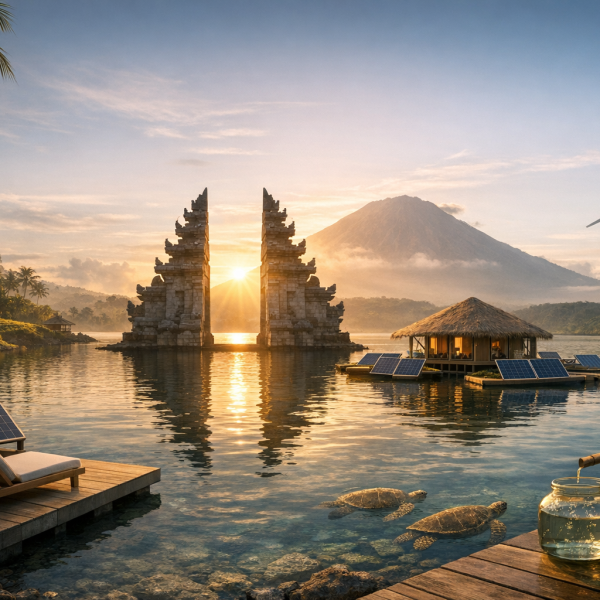
Indonesia is the world’s largest archipelago, with more than 17,000 islands scattered over a massive maritime territory. From the bustling island of Java to the serene beaches of the Gili Islands and the untamed wilderness of Papua, each region offers a different rhythm, flavor, and atmosphere. Traveling from one island to another often feels like crossing national borders, not just short stretches of sea.
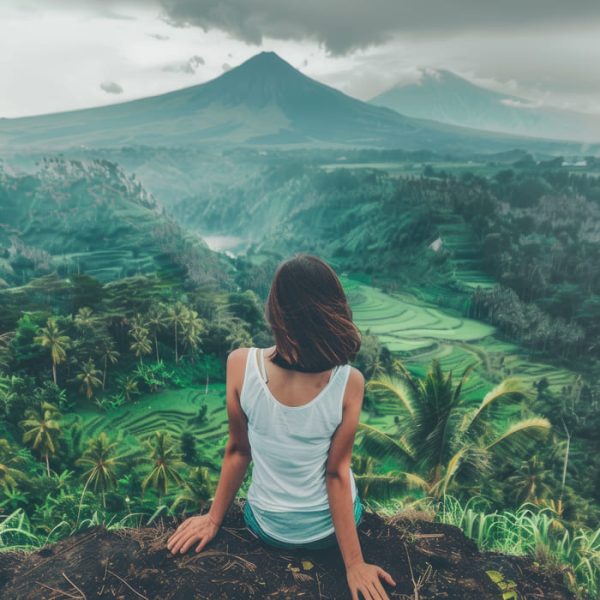
This geographic diversity shapes every aspect of local life, from cuisine and architecture to festivals and languages. Some islands are dominated by rice terraces and volcanic peaks, while others are cloaked in dense rainforests or surrounded by turquoise lagoons. For travelers, this means a single trip can combine beach escapes, highland retreats, and urban exploration without ever leaving the country’s frontiers.
Such variety also attracts a wide profile of visitors: digital nomads, adventure seekers, luxury travelers, and small business owners exploring global opportunities. For entrepreneurs and freelancers managing clients while island-hopping, staying organized is crucial. Tools like a free invoice generator help keep business finances in order, so travelers can focus on enjoying Indonesia’s kaleidoscope of experiences instead of getting lost in paperwork.
2. Dozens of Distinct Cultures and Ethnic Groups
Indonesia’s cultural fabric is woven from more than 1,300 recognized ethnic groups. Javanese, Sundanese, Balinese, Batak, Minangkabau, Dayak, Bugis, and many others maintain distinct customs, clothing, music, and beliefs. Visiting different regions often feels like stepping into completely new cultural worlds with their own aesthetics and social codes.
In Yogyakarta, you might see royal processions and classical Javanese dance; in Toraja, you’ll encounter dramatic cliff tombs and elaborate funeral rituals; in Bali, daily offerings and temple ceremonies infuse everyday life with spirituality. This diversity is visible not only in ceremonies but also in the arts, from intricate batik textiles to wayang kulit shadow puppetry, each tradition bearing the imprint of local history and identity.
3. A Tapestry of Religions and Spiritual Traditions
While Indonesia is the world’s largest Muslim-majority country, religion here is far from monolithic. Bali’s Hindu culture, North Sumatra’s Christian communities, and the enduring animist beliefs of some indigenous groups all coexist, often side by side. The result is a landscape dotted with mosques, temples, churches, and sacred natural sites that speak to a pluralistic spiritual heritage.
Travelers can witness the call to prayer echoing across Jakarta at dawn, then a few days later attend a colorful temple festival in Bali or explore ancient Buddhist relics in Central Java. The interplay of Islam, Hinduism, Buddhism, Christianity, and local belief systems adds countless layers to the national story, reinforcing the feeling that Indonesia is many spiritual worlds joined together.
4. From Futuristic Cities to Timeless Villages
Indonesia’s urban centers are energetic and rapidly evolving. Jakarta’s skyscrapers and traffic-packed roads contrast with its historic districts and traditional markets. Bandung, Surabaya, and Medan blend modern infrastructure with colonial architecture and local street life. These cities pulse with innovation, tech startups, and creative industries, making them hubs of contemporary Southeast Asian culture.
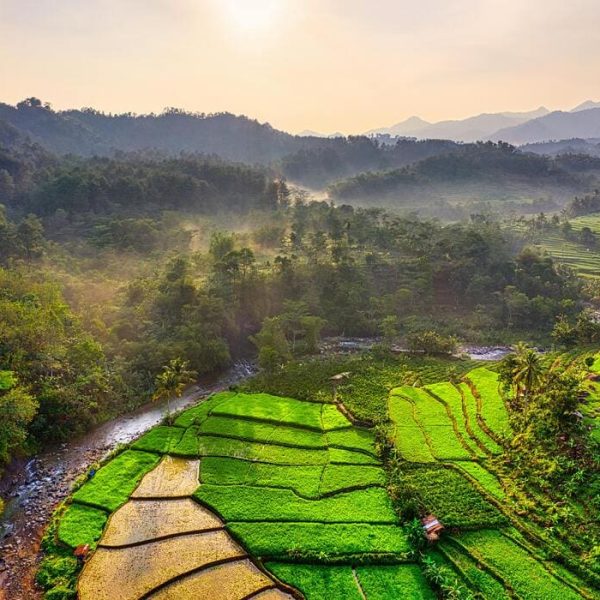
Yet just a short journey from many cities are rural landscapes where life moves at a much slower pace. In central Java, small villages are surrounded by rice paddies shimmering in the sun. In Flores or Sumba, traditional houses and megalithic tombs stand as living monuments to ancestral ways of life. The contrast between urban futurism and village timelessness allows travelers to pivot between modern and traditional Indonesia in a matter of hours.
5. Extreme Natural Diversity: Volcanoes, Jungles, and Coral Kingdoms
Few countries can match Indonesia’s natural range. The famous Ring of Fire runs through the archipelago, creating dramatic volcanoes like Mount Bromo and Mount Rinjani, where sunrises paint the sky in vivid colors over smoking craters. Java and Sumatra host lush national parks packed with waterfalls, rare flora, and endangered wildlife.
Borneo (Kalimantan) is home to orangutans and dense tropical rainforest, while Komodo National Park in the Lesser Sunda Islands introduces visitors to the Komodo dragon, the world’s largest lizard. Underwater, Indonesia is part of the Coral Triangle, one of the richest marine ecosystems on Earth, with dive sites in Raja Ampat and Bunaken that are legendary among scuba enthusiasts. Each ecosystem feels like its own micro-world, offering entirely different experiences to hikers, divers, and nature lovers.
6. Culinary Journeys Across Regional Flavors
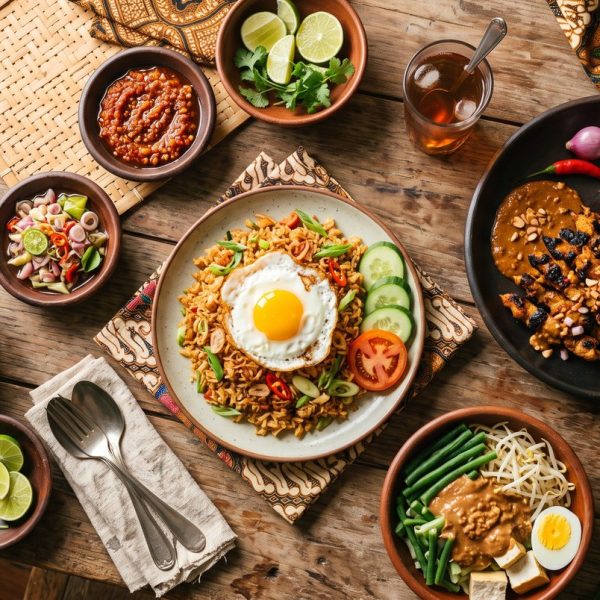
Indonesia’s cuisine is as varied as its landscapes. Rendang from West Sumatra, often cited as one of the world’s most delicious dishes, contrasts with the peanut-sauce richness of Javanese gado-gado or the fiery sambals of Manado. On Bali, pork-based dishes like babi guling highlight Hindu culinary traditions, while in Aceh, Middle Eastern influences meet local spices.
Street food stalls, warungs (small eateries), and contemporary restaurants all showcase regional specialties. Moving from island to island introduces new ingredients, cooking techniques, and flavor profiles—coconut-packed curries, grilled seafood, herbal soups, and rice dishes infused with local spices. Food alone can make Indonesia feel like an endless series of culinary nations.
7. A Modern Hub for Remote Work and Entrepreneurship
In recent years, places like Bali, Jakarta, and Yogyakarta have become magnets for remote workers, creatives, and entrepreneurs from around the globe. Co-working spaces, networking events, and startup communities thrive alongside traditional craft markets and centuries-old temples. This blend of heritage and innovation creates a dynamic environment where local artisans, tech developers, and global freelancers collaborate and cross-pollinate ideas.
For many professionals, Indonesia doubles as both an inspiring travel destination and a functional workplace. Reliable internet, a growing service infrastructure, and supportive communities make it possible to run a business, freelance, or study while exploring the country’s many regions. This fusion of work and wanderlust adds yet another layer to Indonesia’s “many worlds” identity—professional hub, cultural classroom, and natural playground all at once.
Conclusion: One Country, Endless Realms to Explore
Indonesia’s magic lies in its ability to feel boundless. Its islands, peoples, religions, cities, natural environments, and flavors combine into a living mosaic far more diverse than its political borders suggest. Whether you’re trekking to volcanoes, diving among coral reefs, savoring regional dishes, or meeting communities with distinct cultural identities, every leg of the journey offers a new perspective.
For travelers and professionals alike, Indonesia is less a single destination and more a constellation of interconnected worlds. Exploring it means accepting that you won’t see everything in one trip—but that’s part of the allure. Each visit reveals new layers, inviting you to return, rediscover, and experience yet another side of this endlessly varied nation.